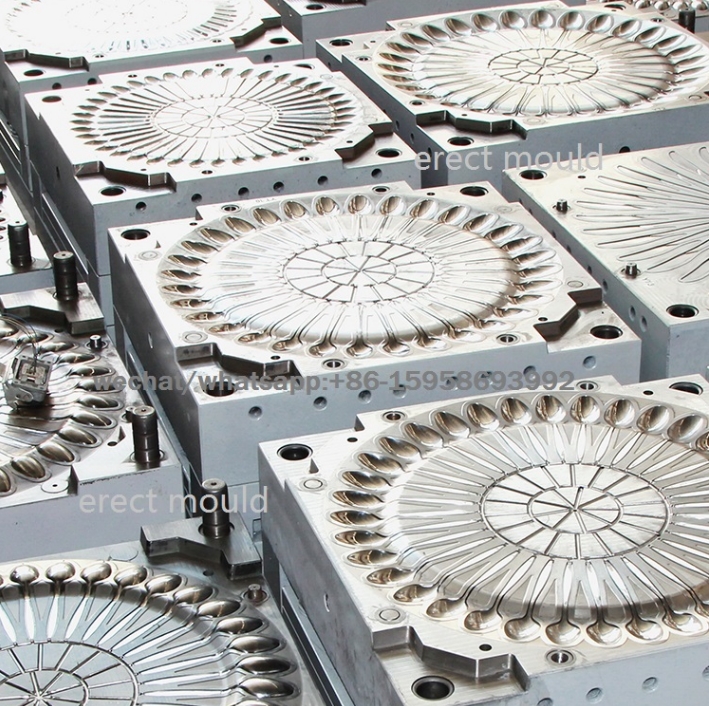
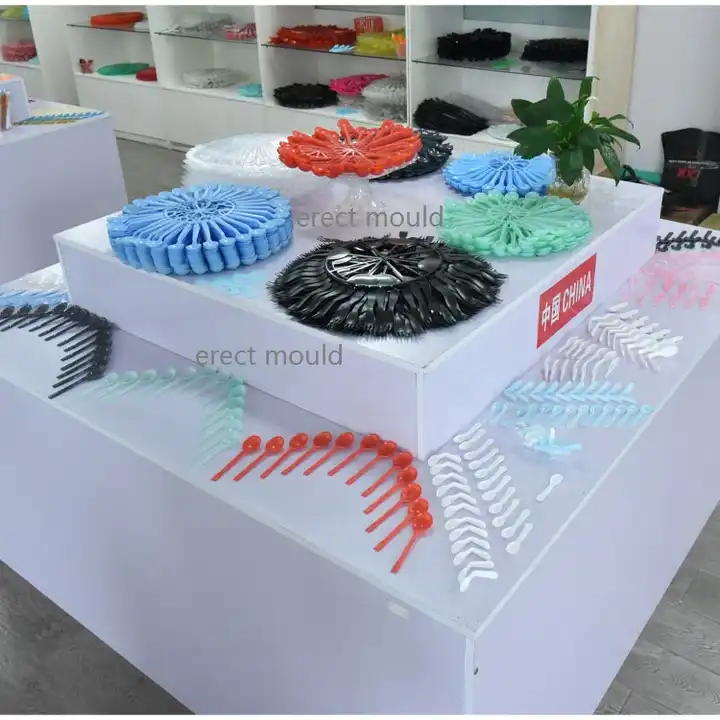
The key to maintaining single-use molds is cleanliness, rust prevention, and proper storage. It should be cleaned promptly after each use to ensure dryness and, when necessary, be lubricated and rust-proofed on a regular basis. Long-term use, should be coated with rust preventive oil and stored in a dry place.
Daily maintenance (after each use)
Clean: After letting the mold cool naturally, wash it with a mild cleaner and a soft cloth or sponge to remove food residue and dirt. Do not use wire balls or corrosive cleaning agents.
dry
Thoroughly wipe clean, dry with a paper towel, ensure that completely dry and then smear rust preventive oil storage, in case of rust.
inspect
Check the surface of the mold for damage, wear or corrosion before each use.
Regular maintenance (for different types of molds)
Injection mould
Lubricating:: Regularly lubricate and lubricate the moving parts such as the clamps and cones to reduce wear.
CLEANING: Clean the moldings and exhaust tanks for debris.
Firmness
:: Check and fasten all fastened screws regularly.
Long-term storage
Clean & Dry: Make sure the mold has been thoroughly cleaned and fully dried before storing.
Anti-rust treatment
:: If the mold is metal and has not been used for a long time, the surface should be sprayed with anti-rust.
Keep it safe.
:: Store the mold in a dry, cool place to avoid direct sunlight. If it is a silicone mold, it can be stored in a plastic bag and separated from other materials to prevent mutual impact.