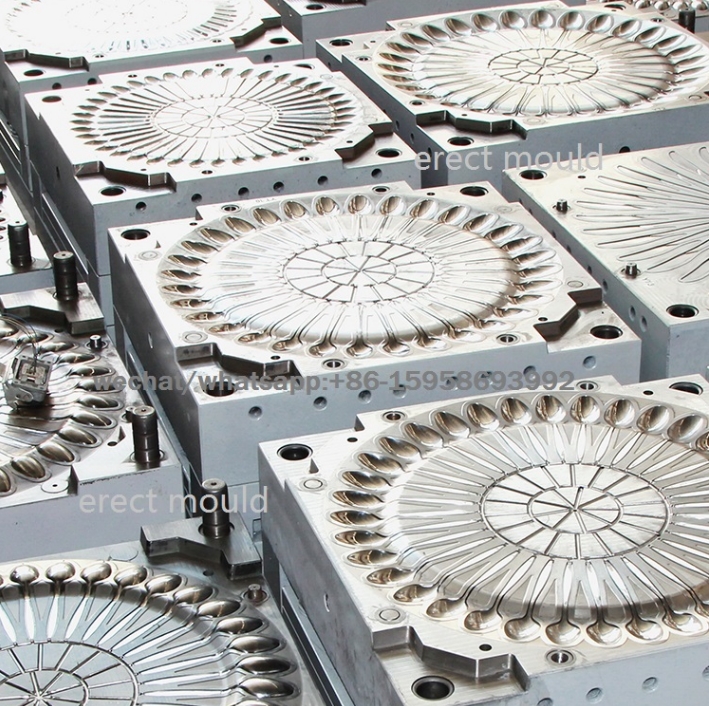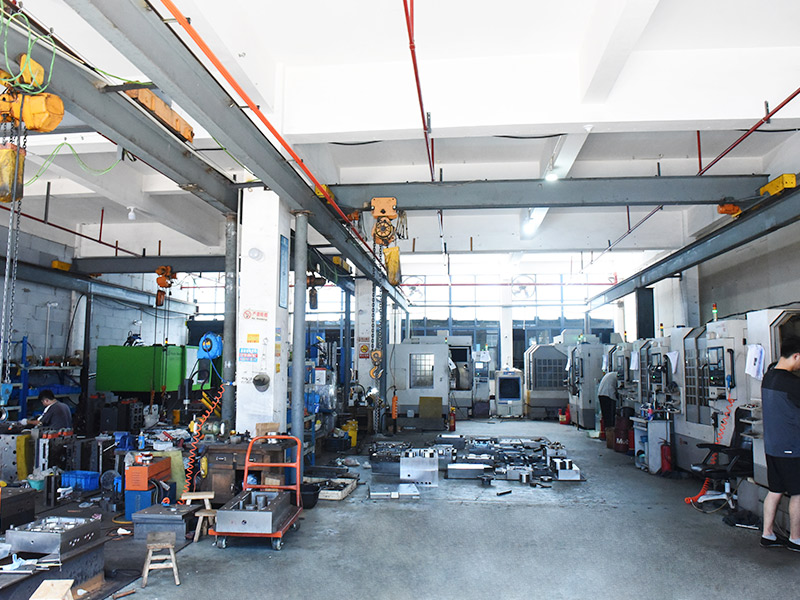
mold design affect mould quality
2025-12-14
friends who are engaged in mold design and manufacturing know that the birth of a high-quality mold not only relies on advanced processing equipment and skilled workers.The quality of mold design is also a key factor in determining mold quality.According to statistics, in complex molds, the impact of the design process is as high as 85%. So how can we make a mold design that meets the needs of customers, but also has a controllable cost and is easy to process?
?Eight main points for improving mold design
As a mold designer, if you want to truly improve your design capabilities, you must not only stay at the drawing level, but also deeply understand the entire process of manufacturing and production. Here are eight recommendations summarized by industry practice:
As a mold designer, if you want to truly improve your design capabilities, you must not only stay at the drawing level, but also deeply understand the entire process of manufacturing and production. Here are eight recommendations summarized by industry practice:
Understand the details and functions
Master the purpose of each part in the mold, the assembly relationship and the design principles.
Master the purpose of each part in the mold, the assembly relationship and the design principles.
Learning from historical experience
Read more about similar designs in the past to see how they performed in processing and mass production, and learn from successes and failures.
Read more about similar designs in the past to see how they performed in processing and mass production, and learn from successes and failures.
Familiarize yourself with equipment and molding principles
Deeply understand the working process and forming principles of equipment such as injection molding machine and clarify the matching relationship between mold and equipment.
Deeply understand the working process and forming principles of equipment such as injection molding machine and clarify the matching relationship between mold and equipment.
Learn about the process on the ground
Go into the workshop to understand the characteristics and limitations of various processing methods to make the design more "manufactureable."
Go into the workshop to understand the characteristics and limitations of various processing methods to make the design more "manufactureable."
Analysis of the advantages and disadvantages of molds
Review the mold you designed to summarize features and shortcomings and continuously optimize.
Review the mold you designed to summarize features and shortcomings and continuously optimize.
Maintain mature structures
Minimize risk by using proven successful mold structures in the design.
Minimize risk by using proven successful mold structures in the design.
Consider the impact of size and medium to large parts
Pay special attention to the impact of mold size changes on forming quality and production efficiency.
Pay special attention to the impact of mold size changes on forming quality and production efficiency.
Learning new technologies and new structures
Keeping an eye on industry dynamics and researching special mold structures and the latest technology.
Keeping an eye on industry dynamics and researching special mold structures and the latest technology.
?The six core components of a mold
A typical injection mould usually consists of the following six systems, each of which is critical:
A typical injection mould usually consists of the following six systems, each of which is critical:
Model mount system: plays a stabilizing, guiding and supporting role.
Runway system: Includes the main road, the diversion road and the filling mouth, which is responsible for the melt transport.
The molding section: The enclosed cavity consists of front and rear molds, slides, slopes, veneers, etc.
Cooling / Heating System: Modify the mold temperature through the water or oil route to shorten the molding cycle.
Top off the system: Lift the product out of the cavity after it is solidified.
Auxiliary agencies: Includes various fixed, orientation and control components, such as supports, sliding columns, springs, etc.
? Customer needs: a starting point for mold design
Mold drawings are not drawn out of thin air, and all designs should be based on information provided by the customer. It mainly includes the following types of information:
Mold drawings are not drawn out of thin air, and all designs should be based on information provided by the customer. It mainly includes the following types of information:
Size and appearance requirements
Material characteristics(e.g. shrinkage rate, whether it is transparent, whether or not it is corrosive)
Production cycle and mold life
Parameters of the injection molding machine(Capacity, nozzle size, outlet mechanism, lock force, etc.)
Mold form and mode of operation
Special requirements(Filling form, type line, cooling mode, heat treatment of material, etc.)
Only by fully understanding the customer's needs can a qualified and efficient mold be designed.
?Mold drawings: From temporary to formal
Mold drawings are divided into sectionsTemporary drawingsandOfficial drawingsTwo phases:
Mold drawings are divided into sectionsTemporary drawingsandOfficial drawingsTwo phases:
Temporary drawings: Mainly used for ordering, process analysis and customer confirmation, including positioning, basic structure and core dimensions.
Official drawings: On the basis of temporary plans, refinement of all institutions, part machining plans, cooling and ceiling system details, etc., with detailed tables and comments, is the direct basis for manufacturing.
The drawings must be standard, contain elements such as frames, title bars, views, comments, and projection in a third corner, with proportions and dimensions marked clearly and clearly.
✅ summary
Mold design is a specialized technique that blends engineering knowledge, manufacturing experience and innovative thinking. A good designer is not only able to draw pictures, but also understands materials, craftsmanship, equipment and communication. Only by combining the customer needs, structural design, and machining feasibility can we truly create a product.High quality, efficient and economicalThe mold is there.
Mold design is a specialized technique that blends engineering knowledge, manufacturing experience and innovative thinking. A good designer is not only able to draw pictures, but also understands materials, craftsmanship, equipment and communication. Only by combining the customer needs, structural design, and machining feasibility can we truly create a product.High quality, efficient and economicalThe mold is there.
If you have also encountered bottlenecks or questions in mold design, feel free to exchange ideas in the comments section and make progress together!
mould design skill
different types of plastic moulds